
"Saint Roman Mill"
5000 article(s) found

Costa Rican Saint Roman Coffee Flavor Costa Rican Saint Roman Coffee
The coffee beans produced at the high latitudes of Costa Rica are famous in the world, full-bodied, mild in taste, but extremely sour. The coffee beans here have been carefully processed, which is why they have high quality coffee. Located in the south of SanJos, the capital of Tarasu, Costa Rica is one of the most valued coffee growers in the country. Tarazhu of Costa Rica (

Coffee bean flavor of Saint Roman Manor in Costa Rica describes how to drink coffee in Saint Roman Manor.
For the exchange of professional baristas, please follow the coffee workshop (Wechat official account cafe_style). Describe the flavor of coffee beans at Chateau Saint-Romans, Costa Rica. How to drink coffee from Chateau Saint-Romans to TARRAZU Tarrazu has a long-standing reputation, and over the years, the coffee from here can almost be regarded as a high quality grade. But the coffee comes from different farms and then blends.

A detailed description of the flavor and aroma of coffee beans from Saint Roman Manor, Costa Rica.
The flavor and aroma of the coffee beans produced by Costa Rica's Saint Roman Manor are described in detail. [Costa Rica's St. Roman Manor] (deeply roasted in washing) soft orange notes, toast, caramel can be sweet, St. Roman Manor is located in Tara Zhu producing area, coffee plant is 1750 to 1850 meters above sea level, variety Red Catuai, manor owner Gutierrez family owns 50 centimeters of coffee.

How much is Costa Rican Saint Roman coffee? Costa Rican Saint Roman coffee price
For the exchange of professional baristas, please follow the coffee workshop (official Wechat account cafe_style) Royal Coffee processing Plant in Saint Roman, Costa Rica Costa Rica San Ramon Royal Coffee country: Costa Rica Grade: SHB altitude: 1700m production area: Tara Pearl production area roasting degree: medium-deep roasting treatment: washing treatment varieties: Kaddura, Kaduai
Costa Rican Saint Roman Coffee introduction, Costa Rican Saint Roman Coffee flavor
Following Cafe Review (official Wechat account vdailycom) found that Beautiful Cafe opened a small shop of its own [country]: Costa Rica [Grade]: SHB [altitude]: 1700m [production area]: Tarazu production area [Baking degree]: medium and Deep Baking [treatment]: washing treatment [Variety]: Kaddura, Kaduai [treatment Plant]: St. Roman treatment Plant [Wind]

Costa Rican Saint Roman Coffee data how to drink Costa Rican Saint Roman
For the exchange of professional baristas, please follow the coffee shop (Wechat official account cafe_style) hand-made in San Roman, Costa Rica. 15g powder, medium grinding (small Fuji ghost tooth cutter 4 grinding), v60 filter cup, 88-89 degrees water temperature, the first water injection 30g water, 27 seconds of steaming, injection to 105g water cut off, wait for the powder bed water to half and then water injection, slow water injection until 225g water

Costa Rican Saint Roman Coffee Taste characteristics of Costa Rican Saint Roman
Professional baristas Please follow the Coffee Workshop (Wechat official account cafe_style) Costa Rican coffee was introduced from Cuba in 1779 and exported for the first time in 1820. There are about 32000 coffee farmers, with an average planting area of less than one hectare (10000 tons). Costa Rica has a population of 41 billion (2006) and a coffee planting area of 82500 mu.
What is the treatment of Costa Rican Saint Roman coffee beans?
How to treat Costa Rican Saint Roman coffee beans Costa Rican boutique coffee has only come to the fore in the past decade. Although Costa Rica introduced coffee from Cuba as early as 1729 and carried out commercial cultivation, it made great efforts to develop the coffee bean industry. But it mainly produces and distributes mixed coffee beans and Italian commercial beans for export to its nearest neighbor, coffee.
Fragrant Costa Rican Coffee Saint Roman Coffee Flavor, characteristics, taste and Manor introduction
Coffee cherries are hand-selected by coffee farmers to remove overripe or immature cherries, and then produce them. A 3-disc aagaarde peeling machine is used to remove the peel and pulp, and then the machine is divided into three grades according to the density of coffee beans. Grade 1 and 2 raw beans are fermented separately, while grade 3 is low-quality raw beans. The raw beans were fermented in a cool place for about 24 to 36 hours.
Fragrant Costa Rican Coffee Saint Roman Coffee Flavor, characteristics, taste and Manor introduction
Coffee cherries are hand-selected by coffee farmers to remove overripe or immature cherries, and then produce them. A 3-disc aagaarde peeling machine is used to remove the peel and pulp, and then the machine is divided into three grades according to the density of coffee beans. Grade 1 and 2 raw beans are fermented separately, while grade 3 is low-quality raw beans. The raw beans were fermented in a cool place for about 24 to 36 hours.
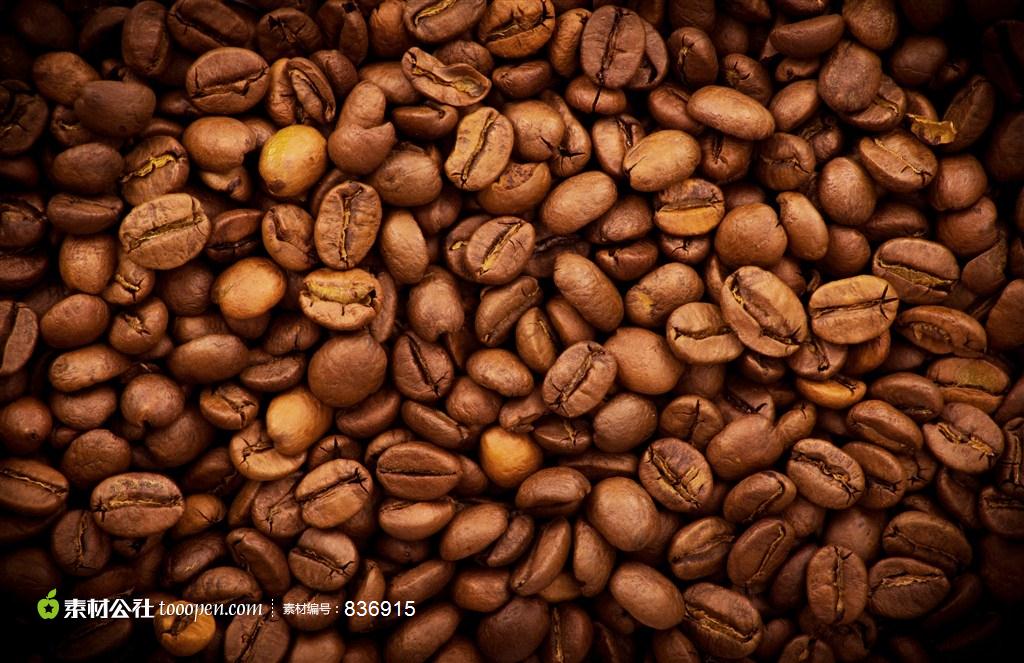
Fragrant Costa Rica plus Saint Roman Coffee Flavor, characteristics, taste and Manor introduction
Coffee cherries are hand-selected by coffee farmers to remove overripe or immature cherries, and then produce them. A 3-disc aagaarde peeling machine is used to remove the peel and pulp, and then the machine is divided into three grades according to the density of coffee beans. Grade 1 and 2 raw beans are fermented separately, while grade 3 is low-quality raw beans. The raw beans were fermented in a cool place for about 24 to 36 hours.

Fruit sweet Costa Rican Saint Roman Coffee Variety Taste Flavor Fine Coffee beans
Coffee cherries are hand-selected by coffee farmers to remove overripe or immature cherries, and then produce them. A 3-disc aagaarde peeling machine is used to remove the peel and pulp, and then the machine is divided into three grades according to the density of coffee beans. Grade 1 and 2 raw beans are fermented separately, while grade 3 is low-quality raw beans. The raw beans were fermented in a cool place for about 24 to 36 hours.

How about coffee at Saint Roman Manor, Costa Rica? how many coffee beans are there at St. Roman Manor?
Exchange of professional baristas Please follow the Coffee Workshop (Wechat official account cafe_style) how about individual coffee at Chateau Saint Roman, Costa Rica? how many flavors of coffee beans WEST VALLEY West Valley, the first farmer settled in the 19th century and brought coffee. The region is divided into six subregions around San Ramon, Palmares, Naranjo, Greece, S
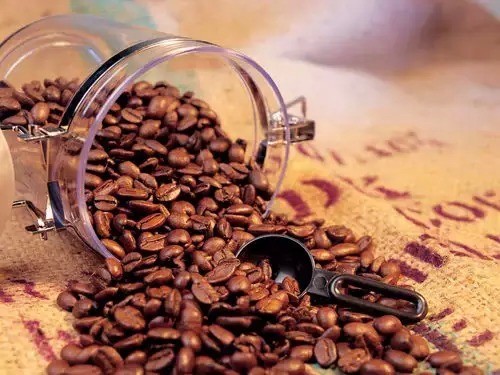
Taste characteristics of Costa Rica plus Saint Roman Coffee with Sweet Fruit Flavor Flavor Coffee Bean
Coffee cherries are hand-selected by coffee farmers to remove overripe or immature cherries, and then produce them. A 3-disc aagaarde peeling machine is used to remove the peel and pulp, and then the machine is divided into three grades according to the density of coffee beans. Grade 1 and 2 raw beans are fermented separately, while grade 3 is low-quality raw beans. The raw beans were fermented in a cool place for about 24 to 36 hours.
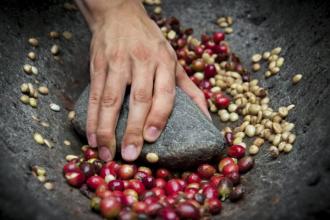
Fruit sweetness Costa Rica plus Saint Roman Coffee varieties taste characteristics Manor boutique coffee bean flavor
Coffee cherries are hand-selected by coffee farmers to remove overripe or immature cherries, and then produce them. A 3-disc aagaarde peeling machine is used to remove the peel and pulp, and then the machine is divided into three grades according to the density of coffee beans. Grade 1 and 2 raw beans are fermented separately, while grade 3 is low-quality raw beans. The raw beans were fermented in a cool place for about 24 to 36 hours.
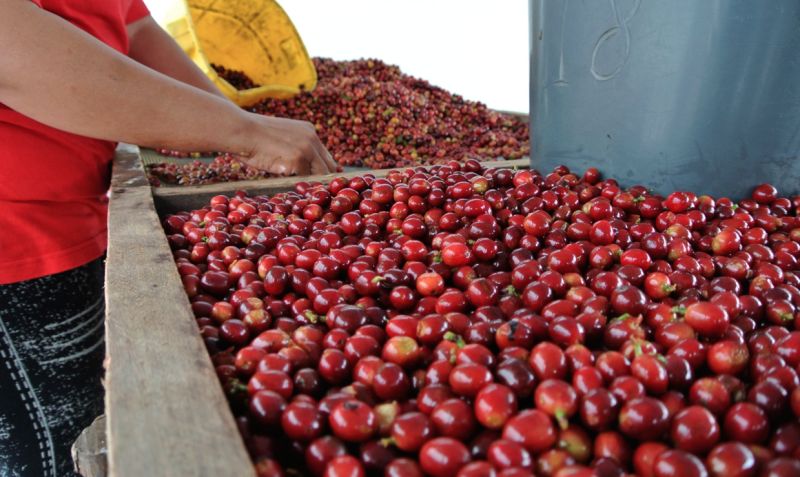
Fruit sweetness Costa Rica plus Saint Roman Coffee varieties taste manor characteristics boutique coffee bean flavor
Coffee cherries are hand-selected by coffee farmers to remove overripe or immature cherries, and then produce them. A 3-disc aagaarde peeling machine is used to remove the peel and pulp, and then the machine is divided into three grades according to the density of coffee beans. Grade 1 and 2 raw beans are fermented separately, while grade 3 is low-quality raw beans. The raw beans were fermented in a cool place for about 24 to 36 hours.

The coffee producing area of Saint Roman Manor in Costa Rica introduces the elevation of coffee beans in St. Roman Manor.
For the exchange of professional baristas, please follow the Coffee Workshop (Wechat official account cafe_style) Coffee production area of Chateau Saint Roman, Costa Rica introduces the elevation of the coffee beans Costa Rica Costa Rica population: 4586000 in the past, Costa Rica has successfully sold its coffee according to the name of the region where it is produced. However, tastes vary from region to region, so

Is the Chateau Saint-Roman in Costa Rica good for coffee beans? what are the flavor descriptions and characteristics?
What is the flavor description and characteristics of African coffee? the general characteristics of African coffee are its strong aroma and charming acidity, its acidity is lively and exciting, but the mellowness of African coffee is often slightly thin. the sweetness is not very prominent. Due to drought and lack of water, African coffee often uses the sun method to treat raw beans, and the shape of beans is often uneven and beautiful.
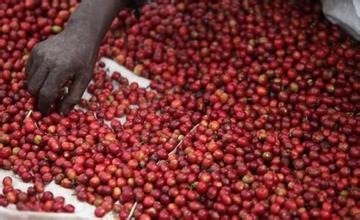
Fruit sweetness Costa Rica plus Saint Roman Coffee Variety characteristics taste Manor boutique coffee bean flavor introduction
Coffee cherries are hand-selected by coffee farmers to remove overripe or immature cherries, and then produce them. A 3-disc aagaarde peeling machine is used to remove the peel and pulp, and then the machine is divided into three grades according to the density of coffee beans. Grade 1 and 2 raw beans are fermented separately, while grade 3 is low-quality raw beans. The raw beans were fermented in a cool place for about 24 to 36 hours.
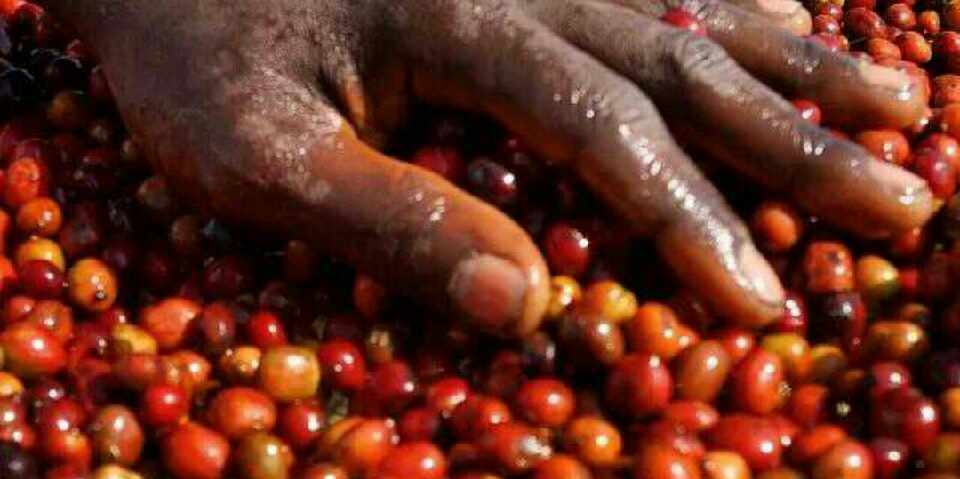
The sweetness of the fruit makes people forget the flavor, characteristics, taste and manor of Costa Rica Saint Roman Coffee.
Coffee cherries are hand-selected by coffee farmers to remove overripe or immature cherries, and then produce them. A 3-disc aagaarde peeling machine is used to remove the peel and pulp, and then the machine is divided into three grades according to the density of coffee beans. Grade 1 and 2 raw beans are fermented separately, while grade 3 is low-quality raw beans. The raw beans were fermented in a cool place for about 24 to 36 hours.